

smart frosted glass
Understanding the 4% Foot Level A Guide to Accurate Measurements with a Ruler Precision in measurements is essential in various fields, from engineering and architecture to art and crafting. When working with a ruler, one common reference point that often arises is the 4% foot level. This term generally refers to a method of taking measurements that ensures accuracy, particularly when it comes to ensuring consistency across different scales or dimensions. In this article, we will explore the importance of the 4% foot level, how to measure effectively with a ruler, and share practical tips for achieving precision in your measurements. What is the 4% Foot Level? The concept of the 4% foot level is grounded in the idea of taking measurements from a standardized point. In practical terms, it often signifies that measurements should be made at a height that is representative or indicative of typical conditions. This is particularly relevant in fields such as geology, construction, and landscaping where elevation can significantly impact results. For example, when surveying land or assessing soil composition, measurements taken at a specific height (like 4% of the total foot or elevation) ensure that that data is reliable and reflects the general state of the area being examined. This standardization helps mitigate discrepancies that may arise due to variations in the measurement point's height or location. The Importance of Accurate Measurements Accurate measurements are fundamental across multiple disciplines. In engineering, even the slightest error can lead to structural failures or costly redesigns. In crafting, precise dimensions ensure that pieces fit together perfectly. The goal of achieving a 4% foot level is to help mitigate the risk of human error and variations in technique by adhering to a systematic approach to measurement. Moreover, in fields like real estate and landscaping, accurate measurements can affect everything from property appraisal to the geometry of outdoor spaces. A slight error in height or distance could drastically change the use or presentation of a space. Therefore, understanding how to attain and maintain the 4% foot level is crucial for professionals and hobbyists alike. How to Measure Accurately with a Ruler 4 foot level with ruler 1. Select the Right Ruler Depending on your project, using the right ruler is essential. For most construction projects, a standard 12 or 36-inch ruler works well. For fine detail work, a smaller, more precise ruler (like a caliper) may be necessary. 2. Positioning When measuring, ensure your ruler is placed flat against the surface you are measuring. This avoids potential errors due to angles or misalignment. 3. Consistent Point Always measure from the same point on the ruler (usually the zero mark). Avoid starting from arbitrary points as this can lead to inconsistent readings. 4. 4% Height Measurement If applicable, ensure that when measuring heights (for instance, in landscaping), you start at the 4% foot level for greater consistency. This means determining the baseline height and then measuring up from that point. 5. Double-Check Always measure twice or even thrice for assurance. This redundancy helps catch any potential mistakes, especially in intricate projects. 6. Use Additional Tools For larger measurements where a standard ruler is impractical, consider using measuring tapes, laser measurers, or digital calipers. These tools can provide more accurate and easier measurements for large distances. Conclusion The emphasis on maintaining a 4% foot level while measuring is an important practice that highlights the significance of standardization in measurement techniques. By applying appropriate methods and tools, individuals can ensure their work is precise and reliable. Whether you’re a professional in engineering or an enthusiast in crafting, understanding and implementing the concept of 4% foot level measurements can greatly improve the quality of your projects and outcomes. Ultimately, accurate measurements lay the foundation for successful endeavors, enabling us to create with confidence and precision.
about
smart frosted glass
Understanding the Pricing of 3-Inch Butterfly Valves When it comes to industrial applications, butterfly valves play a crucial role in controlling the flow of fluids. Among the various sizes available, the 3-inch butterfly valve has become a popular choice due to its versatility and efficiency. This article will delve into the factors influencing the price of 3-inch butterfly valves, their applications, and what to consider when making a purchase. What Is a Butterfly Valve? A butterfly valve is a type of quarter-turn valve that uses a rotating disc to regulate the flow of liquids or gases. When the valve is open, the disc is turned parallel to the flow direction, allowing the media to pass through. Conversely, when it is closed, the disc is turned perpendicular to the flow, blocking it. Butterfly valves are known for their lightweight design, quick operation, and compact size, which makes them ideal for a variety of applications, including water treatment, HVAC systems, and food processing. Factors Influencing the Price The price of a 3-inch butterfly valve can vary significantly based on several key factors 1. Material The materials used in the construction of the valve greatly impact its price. Common materials include stainless steel, cast iron, PVC, and carbon steel. Stainless steel valves are often more expensive due to their resistance to corrosion and durability, making them suitable for demanding environments. 2. Design and Features Some butterfly valves come with additional features like pneumatic or electric actuators, which can increase the price. Valves designed for specific applications, such as high-pressure or high-temperature operations, may also be priced higher due to the specialized materials and design required. 3. Manufacturing Standards Valves manufactured according to industry standards such as API, ASME, or ANSI may command a higher price due to their guaranteed quality and reliability . Always consider the manufacturer’s reputation and the standards that the valve meets when evaluating price. 4. Quantity and Bulk Purchases Purchasing in bulk can often lead to discounts. If you are involved in large projects that require multiple valves, negotiating a bulk price with suppliers can significantly reduce the overall cost. 3 inch butterfly valve price 5. Brand and Supplier Price discrepancies can exist between different brands and suppliers due to their positioning in the market, customer service, and warranty offerings. Established manufacturers with a reputation for quality may charge more, but this could lead to long-term savings through increased reliability and lower maintenance costs. Applications of 3-Inch Butterfly Valves 3-inch butterfly valves are widely used in various industries, including - Water Treatment They are frequently employed in water distribution systems to regulate flow and manage pressure. - HVAC Systems In heating, ventilation, and air conditioning systems, butterfly valves help control airflow and maintain system efficiency. - Food and Beverage Their ability to handle non-viscous fluids makes them suitable for use in food processing and beverage production, where hygiene and safety standards are paramount. - Industrial Processes Many manufacturing processes utilize butterfly valves for controlling the flow of chemicals, gases, or other liquids. What to Consider When Purchasing When purchasing a 3-inch butterfly valve, there are a few key considerations - Compatibility Ensure that the valve is compatible with the type of fluid being handled and the operating conditions of your specific application. - Regulatory Compliance Check if there are any industry-specific regulations that the valve must comply with, as this can affect your choice. - Maintenance and Longevity Consider the maintenance requirements and expected lifespan of the valve. Investing in a higher-quality valve may lead to lower maintenance costs over time. Conclusion The price of a 3-inch butterfly valve can range widely based on various factors, including material, design, and brand reputation. By understanding these elements and carefully considering your specific needs and applications, you can make an informed purchasing decision. The right butterfly valve will not only meet your operational demands but also provide reliability and efficiency in your fluid control systems. Whether you're in water treatment, HVAC, or any industrial application, a 3-inch butterfly valve is an essential component that warrants careful consideration and investment.
-

High quality industrial productsagement

High quality industrial products
View Details -

Meet the diverse needs of customers

Meet the diverse needs of customers
View Details -

Strict quality control

Strict quality control
View Details -

Top raw materials

Top raw materials
View Details -

Trusted supplier

Trusted supplier
View Details
Our application


news and information
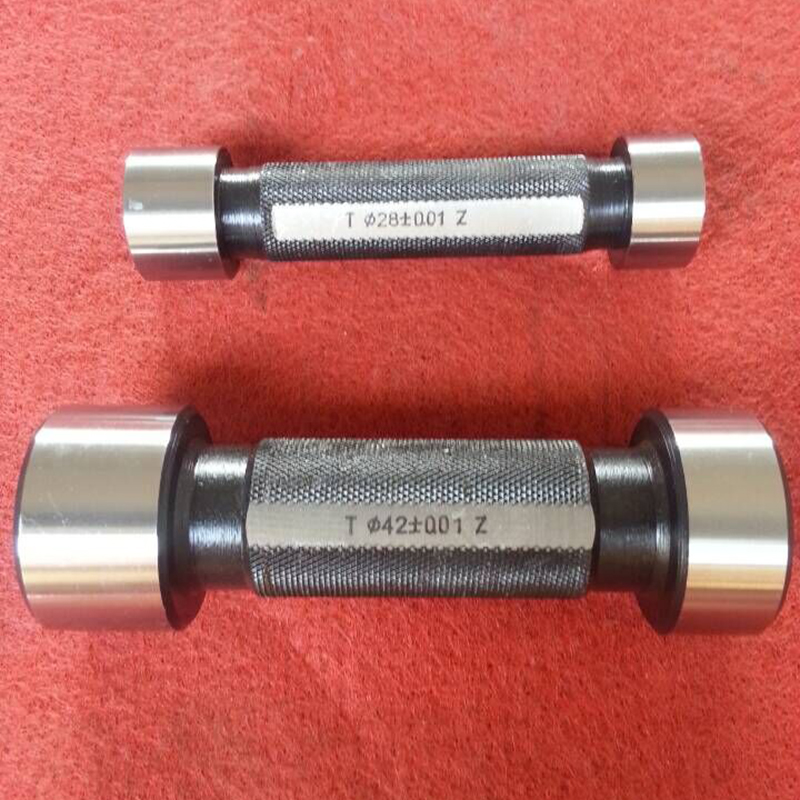
Versatile Six-Sided Aluminum Alloy Angle Measurement Tool for Precision Applications
The Versatility of Six-Sided Aluminum Alloy Angle Measuring Tools In the world of precision measurem

Versatile Wood Connector Brackets for Durable and Secure Construction in Various Projects
Understanding Wood Connector Brackets Essential Components for Woodworking Projects In the realm of
y type strainer filter,,10
Y Type Strainer Filter A Compreensive Guide Y Type Strainer Filter has become an essential tool in
 English